
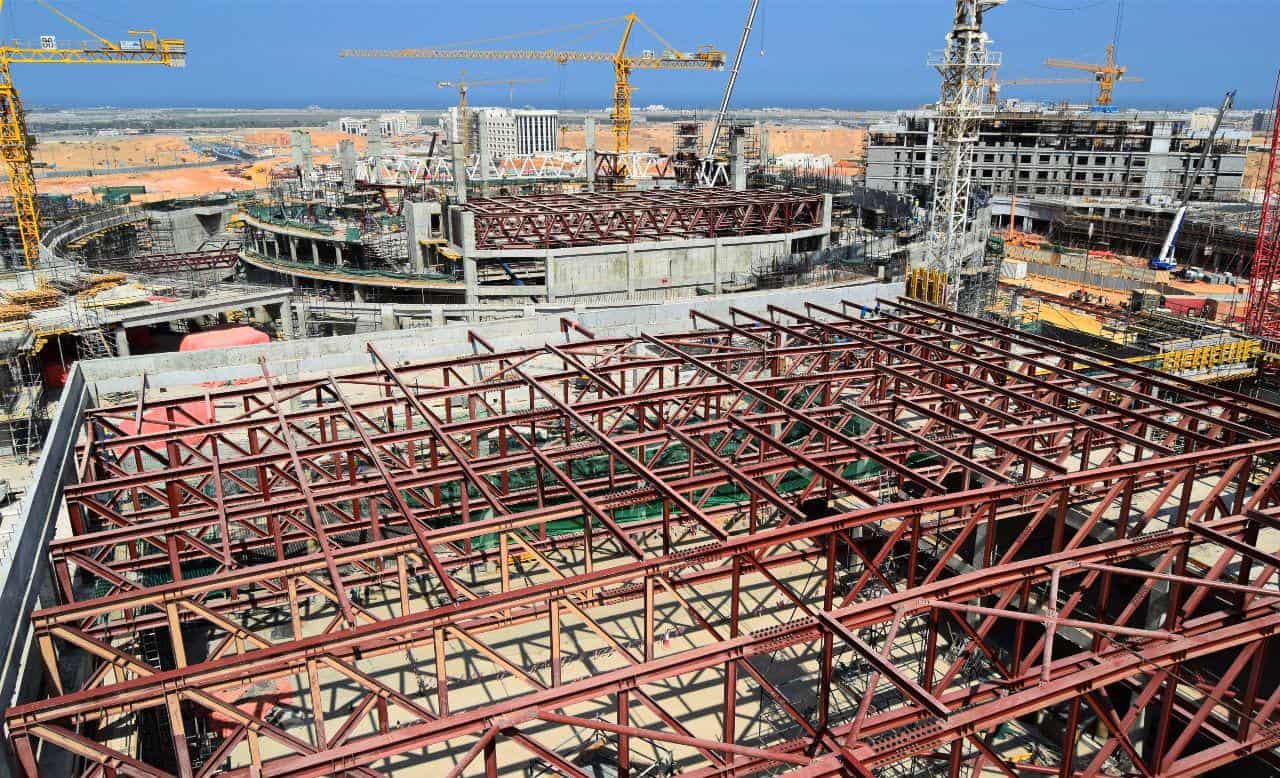
A steel fabrication project demands accurate engineering, dependable materials, and reliable delivery. The wrong supplier may leave a site facing delays, rising costs, or serious quality concerns.
Before signing an agreement, buyers should examine how steel structure fabrication companies in Saudi Arabia handle quotations, technical checks, safety, and communication. Small warning signs can reveal major problems ahead.
Vague quotations and hidden charges
A reliable fabricator provides a detailed quotation that lists material grades, dimensions, labour, finishing, transport, and installation costs. Watch out for vague prices that offer little detail or unusually low estimates without clear explanations. Missing charges may appear later as unexpected expenses.
Ask the supplier to explain every cost and confirm payment milestones in writing. A transparent quotation gives buyers a clear basis for comparing suppliers and setting a realistic project budget.
Weak technical knowledge
Steel fabrication requires accurate measurements, sound drawings, suitable welding procedures, and knowledge of structural standards. A partner who struggles to explain material specifications or connection details raises serious concerns. Ask technical questions about load requirements, steel grades, corrosion protection, and inspection methods.
A dependable company gives clear answers and supports its recommendations with drawings, calculations, and relevant records. Avoid suppliers who dismiss technical questions or offer unsupported promises.
Poor quality control
Quality problems may appear as uneven welds, incorrect dimensions, rough edges, or unsuitable surface finishes. Ask to inspect previous projects and review quality control records before making a decision. Check how the company verifies measurements, tests welds, and handles defects.
A workshop without consistent inspection procedures risks sending faulty components to the site. Clear quality standards help protect structural integrity and reduce expensive corrections.
Missing safety procedures
Fabrication workshops involve cutting machines, welding equipment, heavy loads, and lifting operations. A supplier who ignores protective equipment, machine maintenance, or worker training puts people and project schedules at risk.
Review safety policies, incident records, insurance documents, and site procedures. Also check how the company manages lifting plans and fire prevention. Strong safety practices show that management takes workplace risks seriously.
Unreliable communication and delivery promises
Delayed replies, unclear schedules, and repeated excuses can signal poor project management. Ask for a realistic production timeline with milestones covering procurement, fabrication, inspection, and delivery. Confirm who provides progress updates and handles design changes.
A dependable partner communicates problems early and offers practical solutions. Avoid companies that promise impossible deadlines simply to win a contract.